
February 10, 2026
The long game of leadership: What really sustains high performance (Part 2)

An Englishman, an Aussie (living in London), and an Italian-Aussie (living in Rome) walk into a bar…
Don’t worry, we’d never do that to you. Obviously. But we ARE wrapping up our two-part dive into what makes leadership truly sustainable, in the sporting world and beyond.
In Part 1 of this series (catch it here if you missed it) we zoomed in: exploring the “me” of it all, that is, the individual wellbeing habits that help leaders in sport build and maintain a stellar leadership baseline under intense demands.
This month for Part 2, we’re zooming out to talk about the “us”: the systems, structures, and cultures that shape what’s possible.
Individual wellbeing habits are undeniably crucial, but no matter how strong your personal practices are, it’s the greater environment you’re in that sets the tone for what’s welcomed, what’s suppressed, and what’s valued at an organisational level.
As we shift from the individual to the collective, our final two voices help us see the bigger picture.
Mark Pinkney, CEO of Head in the Game, speaks to the gap between raising awareness and embedding real cultural change (and what happens when wellbeing is treated as an optional extra rather than a leadership imperative). Meanwhile, Adam Gallo, Associate Director of Athletics at Rome City Institute, offers a cross-cultural view on how value systems shape our defaults around rest, recovery, and what’s accepted as ‘normal’.
We’ll also have a look at how Mark and Adam’s sentiments connect with broader research shaping the future of wellbeing in sport and beyond.
Let’s dive in!
“Awareness is important, but it’s not the same as meaningful culture change”
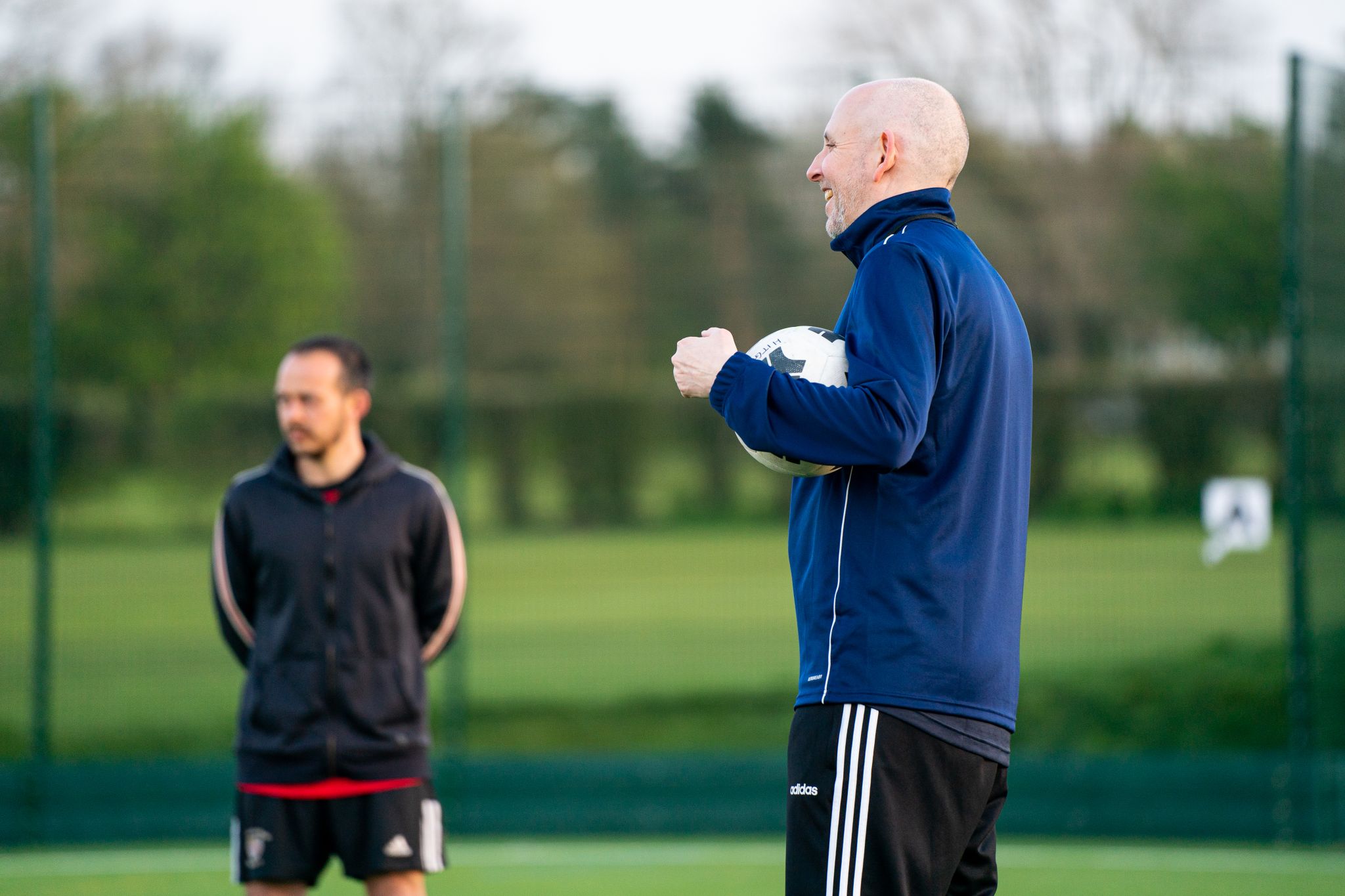
Mark Pinkney sees the same gap many of us do: between what gets talked about and what gets posted, versus what gets practiced.
“Elite sports teams have become very good at raising awareness of campaigns and attaching themselves to key dates like Suicide Prevention Day or World Mental Health Day. Awareness is important, but it is not the same as meaningful cultural change.”
“From speaking to many professional athletes, I know that unless a wellbeing practice is clearly proven to improve performance or results, it often gets deprioritised.”
There’s progress with embedding proper wellbeing support at the very top levels, but “when you look one level below that, the picture changes. There is far less structure, far fewer resources, and a lot of athletes are still left to manage their wellbeing on their own.”
It’s a warning for any organisation tempted to conflate awareness with change. The same is true in any workplace, whether “in an elite sporting environment, an office, a social club, or down the pub”. Surface-level wellbeing is easy, deep and sustained cultural change is another story. But that doesn’t mean it shouldn’t be invested in because without it, the message rings hollow and the ramifications speak for themselves.
Psychological sustainability is part of performance
Mark’s sentiments align closely with the first major takeaway we took from Vella & Rice’s 2025 research, which calls for a shift in sport psychology from problem-description to solution-testing. In other words: it’s no longer enough to study the prevalence of stress or burnout in sport; we need to be asking what actually works, and how to implement it at scale. And that requires a systems lens.
As Mark puts it, the teams that do this well don’t just talk about wellbeing; they structure for it.
“Too many leaders in elite sport are expected to absorb pressure without the tools to process it. If wellbeing is treated as part of leadership development rather than an optional add-on, teams get leaders who make better decisions, handle setbacks more effectively, and create environments where people can thrive.”
Mark argues that wellbeing isn’t a bonus, it’s core to leadership development. His call to action is clear: “Elite sport needs to start valuing psychological sustainability in the same way it values physical conditioning.” That means: “Reflective practice, proper psychological coaching, and giving leaders regular protected spaces where they can talk openly without judgement or fear of consequences.”
What’s around you defines your foundation
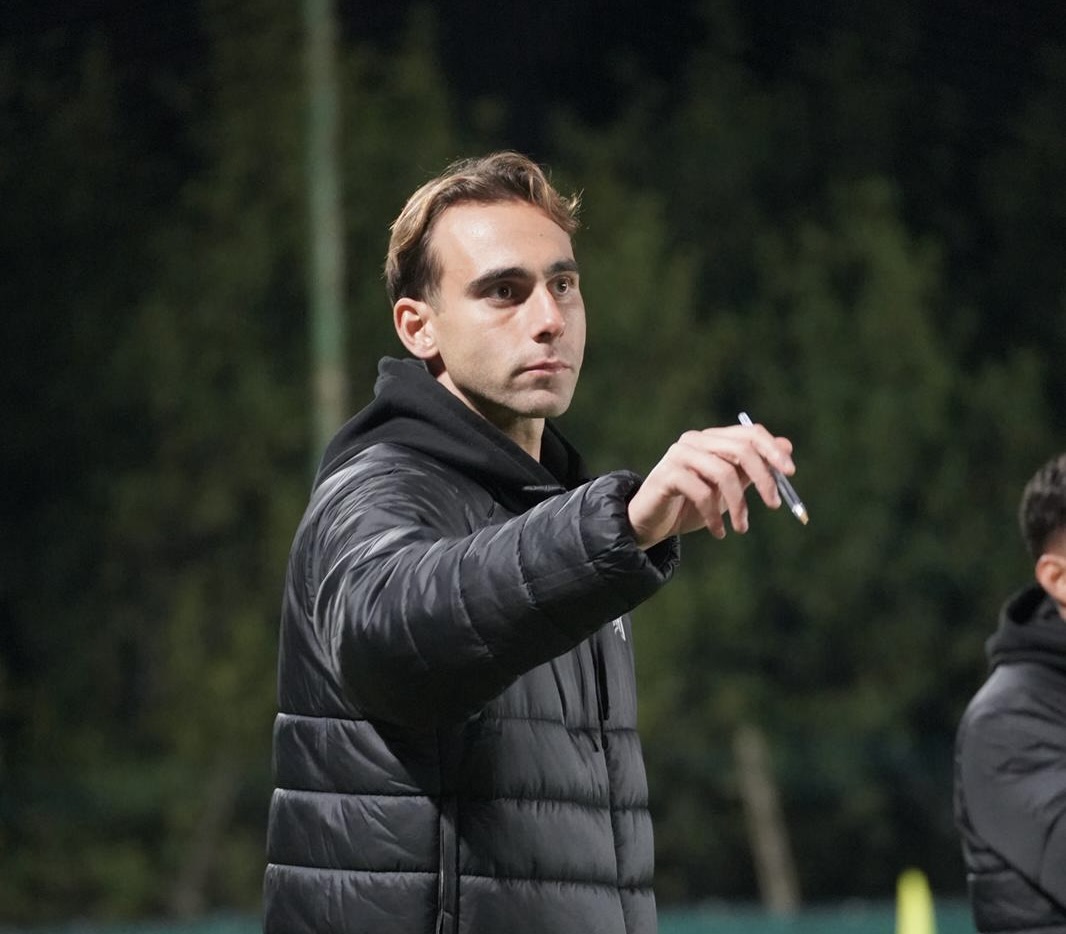
Adam Gallo has lived the difference between Australian and Italian sporting cultures, and it shows in how he talks about rest, recovery, and expectations.
Take the infamous Ritiro, for instance: a uniquely Italian tradition where teams retreat together for days of training, eating, and total immersion. It’s normal, even for semi-pro and amateur clubs. “Think of it like a camp where you train twice a day, eat together, dorm together, and everything in between. It’s the norm here.”
Sometimes it’s for prep. Other times, it's punishment.
“Now imagine a forced Ritiro when your team is not performing, a few days away to only think about your team and sport (and how you’re not performing well), away from all the positive distractions that life may bring.”
In Anglo cultures, the instinct is often the opposite: pull back, reset, come back fresh. “You are encouraged to go home and be with your family or friends. Not having a good season? Get away for a couple of days, come back, and we’ll go from there.”
The same cultural contrast shows up in how we rest. “In Anglo cultures, resting is paired with binging… We swing from super stressed to super sedentary.”
This isn’t just a personal habit problem, it’s cultural conditioning baked into how systems signal what’s valued. As the Vella & Rice paper points out, promoting wellbeing means embedding it into broader organisational norms, not leaving it to individual willpower.
Adam advocates for sustainable consistency, not aiming for a perfect 10 consistently, but maintaining a steady 7/10. “Loosening your grip without completely letting go can take you a long way.” It’s not just about how we push, it’s also about how we recover. And whether the system supports both. Adam believes we are missing a vital education piece, not about rest itself, but how to rest well.
These approaches reflect more than just sporting tradition; they reveal what each culture values about the human behind the athlete. In Italy, sport often becomes a complete identity. In Australia or the UK, it’s more often just one layer of self.
Adam shows us that there’s no one-size-fits-all model, but there is always a system influencing the way a culture operates and vice-versa. Whether it nurtures or neglects wellbeing is the real question.
The research lens
Mark and Adam’s sentiments aren’t just experience. They align directly with what the research says. The 2025 paper by Vella & Rice we’ve been referencing outlines four core challenges and opportunities for mental health in sport, all of which showed up in our interviews:
- Shift from problem-oriented to solution-oriented research
We need fewer stats about what's wrong, and more interventions that actually help and can be sustained over the long term. - Move beyond individual-level approaches to systems-level change
Culture, leadership, and organisational policies matter just as much as personal habits.
It’s not just about the athlete. It’s about the ecosystem: clubs, coaches, policies, norms. - Create consistent and clear definitions of mental health
Using the “dual-continua” model, the goal isn’t just to reduce illness; it’s to build wellbeing. - Integrate research, policy, and practice
If these ideas don’t get embedded into real teams, they stay academic.
The Dual-Continua Model of Mental Health

The Lead-Well lens
Whether you’re in a locker room or a board meeting, the principles are the same.
It’s one thing to study what works. It’s another to embed it in everyday life.
Enhancing culture and performance requires tighter integration between research, policy, and practice. And that’s where we see our role at Lead-Well: translating insight into action across sport, business, and beyond.
We take great pride in bridging the gap between awareness and culture change by helping clients embed the micro-moments that lead to macro-impact. We’ve had the privilege of doing this work across codes and continents, from designing sustainable high performance programs with emerging leaders at the South Sydney Rabbitohs, to shaping mental fitness strategies at West Ham and Chelsea FC through our ongoing work with Head in the Game.
True leadership is never about being bulletproof. It’s about being present, curious, resilient, and intentional - within systems that make that possible.
If you're ready to move from insight to action, or want to make culture change a little more sustainable in your team or workplace, we're here to help!
Reach out below or email us at hello@leadwellcc.com.
Share Post
Reach out
Let’s figure out what true support looks like for you and your team.
Contact us through the form below or at hello@leadwellcc.com