
December 18, 2025
The long game of leadership: What really sustains high performance (Part 1)

Now, it’s no secret that the one thing our Founding Director Peter Seehusen loves more than a solid yarn (slang for a chat of considerable length and minimal formality)... is his sport.
Combine the two and you’ve got a well-disguised excuse to catch up with some leaders in the sporting world - thinly veiled as qualitative research, and kicked off with a carefully crafted “quick favour, mate?” message.
From the outside though, it’s easy to assume athletic excellence is built purely on physical ability, insatiable grit, or tactical genius. But once you’ve scratched the surface a deeper story emerges. Pressure might be an obvious constant in elite sport, yet the leaders who thrive (aka the ones who go the distance and lift others on the way) often have something less visible behind their success: sustainable wellbeing habits, built on mindset and self-awareness.
And so Pete’s “quick favour” entailed picking the brains of a handful of global sport leaders he’s worked or played with over the years. Each was asked:
- WHAT WORKS? Which wellbeing habits have most improved your ability to lead or perform in elite sport?
- WHAT VARIES GLOBALLY? What differences have you seen in how elite sport cultures support or neglect wellbeing across the globe?
- WHAT NEEDS TO CHANGE? What wellbeing practices should be prioritised to build more sustainable, impactful leadership in elite sport?
- WORKPLACE APPLICATION - How can these learnings be transferred to workplaces outside of elite sport?
From the footy fields of Sydney’s South to the streets of Rome, with a few pit stops in London and LA, here’s part one of what we took away. Part two will be up next month.
IAN REEVES
Head of Wellbeing, South Sydney Rabbitohs | Founding Director, ACE | Coaching Psychologist
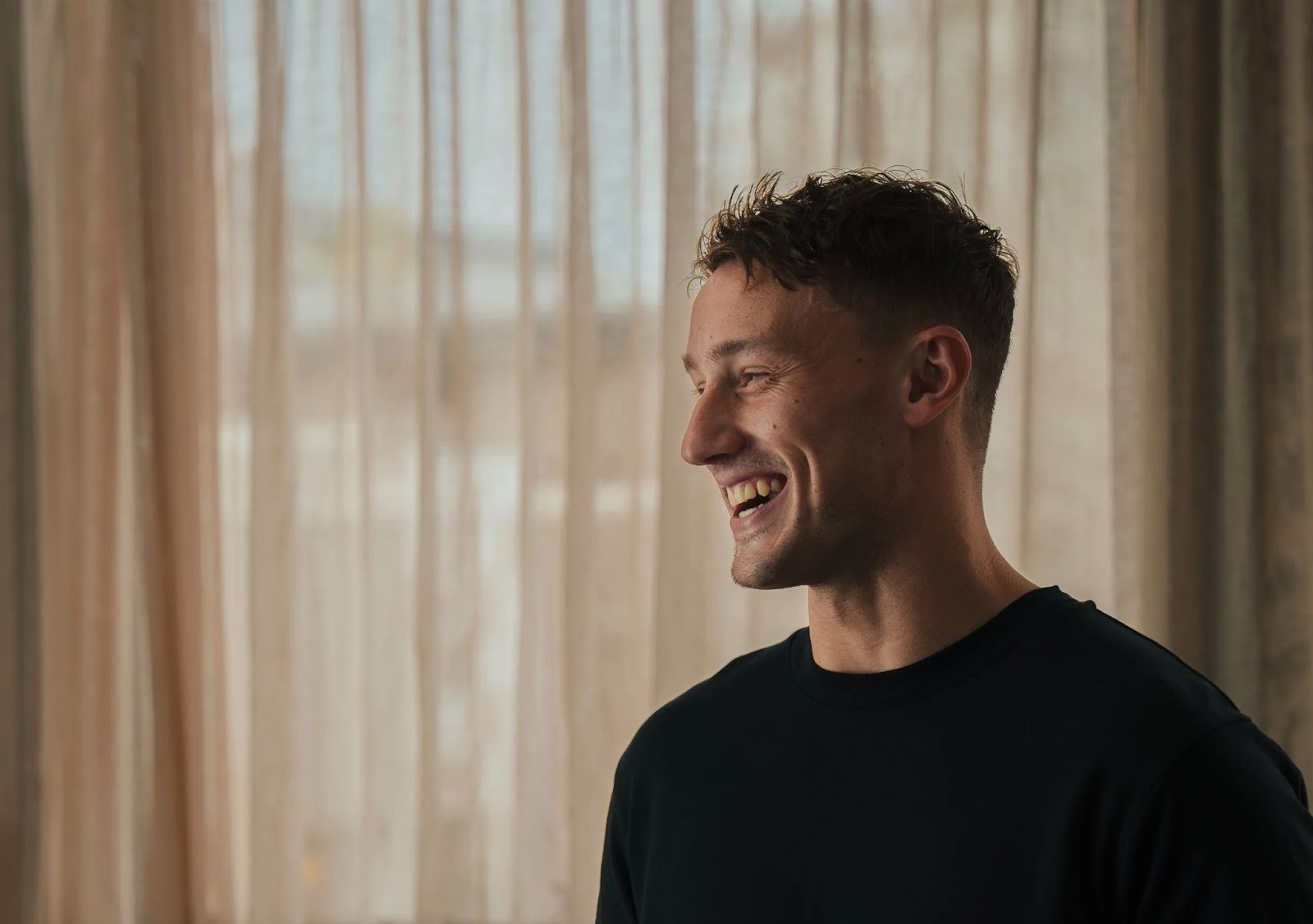
An Irishman by blood, Ian Reeves works with the South Sydney Rabbitohs in the NRL, a club as tough as it is iconic (not unlike its owner, Russell Crowe). We were delighted, although not surprised, by Ian’s generosity and self-awareness.
What works: Steady daily check-ins.
“How am I turning up today?” in the morning.
“Did I show up how I wanted to?” at the day’s end.
These single questions, answered honestly, anchor Ian’s leadership. He carves out space for check-ins throughout the day too, to ensure he’s intentionally aligning his day with who he wants to be and where he wants to be going. This also helps him achieve a sense of “moving the needle instead of drifting”.
These micro-moments build clarity, calm, and create more room for connection. “When aligned, you’re clearer, calmer, and better with people, which is what leadership really is.”
What varies globally: The spectrum of authenticity.
“It’s whether people feel safe to be themselves.” Ian has observed time and time again that the healthiest cultures are those where authenticity is encouraged and celebrated.
In these spaces, “People can speak honestly, ask questions, share what’s going on, and show their personality. You feel trust. You feel connection. You see people breathe and expand. The environment grows.”
Of course, Ian has witnessed the converse, too: “In the tougher environments, everyone looks ‘fine’ on the surface, but underneath they’re holding a lot. People keep quiet, play it safe, and put on a version of themselves they think is expected”
What needs to change: Stop pretending leaders are bulletproof.
“The best leaders I’ve worked with all have one thing in common: they know themselves. They’re not pretending to be bulletproof or hiding behind the role. They’re calm, honest, and willing to lean into hard things. If I had to prioritise one thing, it’d be building self-awareness, and creating a culture where honest conversations are just normal. When that happens, everyone grows.”
For workplaces: Help people feel capable and connected.
“People want clarity, honesty, challenge and support. It’s simple. Not comfortable, but simple. Help people understand themselves. Encourage them to lean into meaningful challenges. Build teams where people genuinely lift each other. You don’t need big programs or perfect systems – just small daily behaviours that make people feel human, capable and connected”
RAY THOMPSON
Former Papua New Guinea International | NRL player, North Queensland Cowboys

A proud Papua New Guinean whose resume spans playing for the NRL and now working in wellbeing and community engagement, Ray’s devotion to gratitude (one of Lead-Well’s core philosophies) stands out to us.
What works: Gratitude as a cornerstone.
“Taking time each day to acknowledge the people, opportunities, and lessons around me keeps me grounded and motivated.” Paired with a growth mindset and seeing setbacks as opportunities for learning, this has helped Ray stay resilient in high-pressure environments.
What varies globally: People-first (vs statistics-first) approaches.
“In some places, wellbeing is deeply integrated into training and leadership, while in others it’s still seen as secondary to performance.The difference often comes down to whether athletes are valued as whole people or just as a resource.”
What needs to change: Implementing practical mindfulness techniques.
“Mindfulness practices like honest reflection, self-awareness, intentional rest, and presence should be prioritised.” Leaders who model this create safe cultures. It’s also about controlling what you can, and directing your focus accordingly: “healthy daily habits, recovery, and mental clarity rather than focusing on external pressures.”
For workplaces: Gratitude (always gratitude!) and intentional focus.
“Appreciation builds stronger teams, a growth mindset fuels innovation, and mindfulness helps manage stress and uncertainty. Focusing on what you can control which are your habits, your presence, and your response to challenges, creates a ripple effect that strengthens both wellbeing and impact as leadership”
BEN GRIFFITHS
Former AFL player, Richmond FC | NCAA athlete, USC (College Football)

Ben’s journey across two codes and continents brings a calm, reflective depth, with mindfulness as his #1 game changer.
What works: Mindful presence as a daily habit on and off the field
“Mindfulness helped me immensely.” From structured sessions at Richmond to informal moments of awareness, it became a tool for improving performance by strengthening his ability to return to the present. Ben noticed the greatest personal growth when he started harnessing the power of his focus in his every day life, too: “simply noticing where my attention was in any given moment, and bringing it back to whatever I was doing”.
What varies globally: Investment in personal wellbeing support
“At Richmond, we shifted from offering minimal wellbeing support to investing heavily in it. The results speak for themselves” (the club went on to win three premierships in four years). At the collegiate level, however, time constraints meant that every minute was dedicated to game planning and on-field work - and wellbeing often took a back seat. Ben believes the #1 shortfall was “the lack of investment in off-field development and in equipping players with tools to strengthen their personal wellbeing”
What needs to change: Leadership’s encouragement and support of personal growth
“Mindfulness’ beauty lies in its flexibility – you can do it anywhere, for as long or as briefly as you’d like. Even something as simple as taking a minute before a team meeting to pause, wiggle your toes, or notice your breath can make a meaningful difference. As a leader, supporting these moments and encouraging curiosity and personal growth can only benefit performance in my eyes”.
For workplaces: Enhanced wellbeing = enhanced performance
“Sport has shown how to build effective teams and cultures that support wellbeing because it directly enhances performance. The corporate world can follow the same template to create environments of growth – places people want to stay in, not leave”.
A brief pivot to the research: It’s not just about fixing problems.
A 2025 study by Vella & Rice argues that mental health in sport needs a shift in perspective: from describing problems to testing solutions. Their dual-continua model reframes mental health as not just the absence of illness, but the presence of wellbeing.
What these global leaders remind us is that this isn’t just theory; it’s lived embodiment. Their daily actions reflect the kind of leadership we need more of: less bravado, more curiosity, and depth and quality of connection.
Coming in Part 2: systems, structures, and what needs to shift for elite performance to be both possible and sustainable. Plus, we’ll hear from two more leaders who have experienced systemic shifts across UK and European footballing circles.
But until then, a few actionable takeaways...
1. Bookend your day with two honest questions.
- “How do I want to turn up today?”
- “Did I show up how I wanted to?”
- This can anchor self-awareness better than any app.
2. Make mindfulness ridiculously simple.
- Pause often, take three deep breaths, and observe what your mind is doing.
- Refocus your attention on what’s right in front of you in your physical surroundings, then on the next best thing that needs to be done in your immediate life.
- Done consistently over time, this rewires your leadership baseline by making your thoughts, behaviours, and interactions more intentional.
3. Choose gratitude and create a consistent practice.
Appreciation isn’t new-age fluff. It sharpens focus, shifts attention from problems to the present, boosts morale, and sustains effort under pressure.
Share Post
Reach out
Let’s figure out what true support looks like for you and your team.
Contact us through the form below or at hello@leadwellcc.com